Antihistamines in First Aid Kits: What to Check
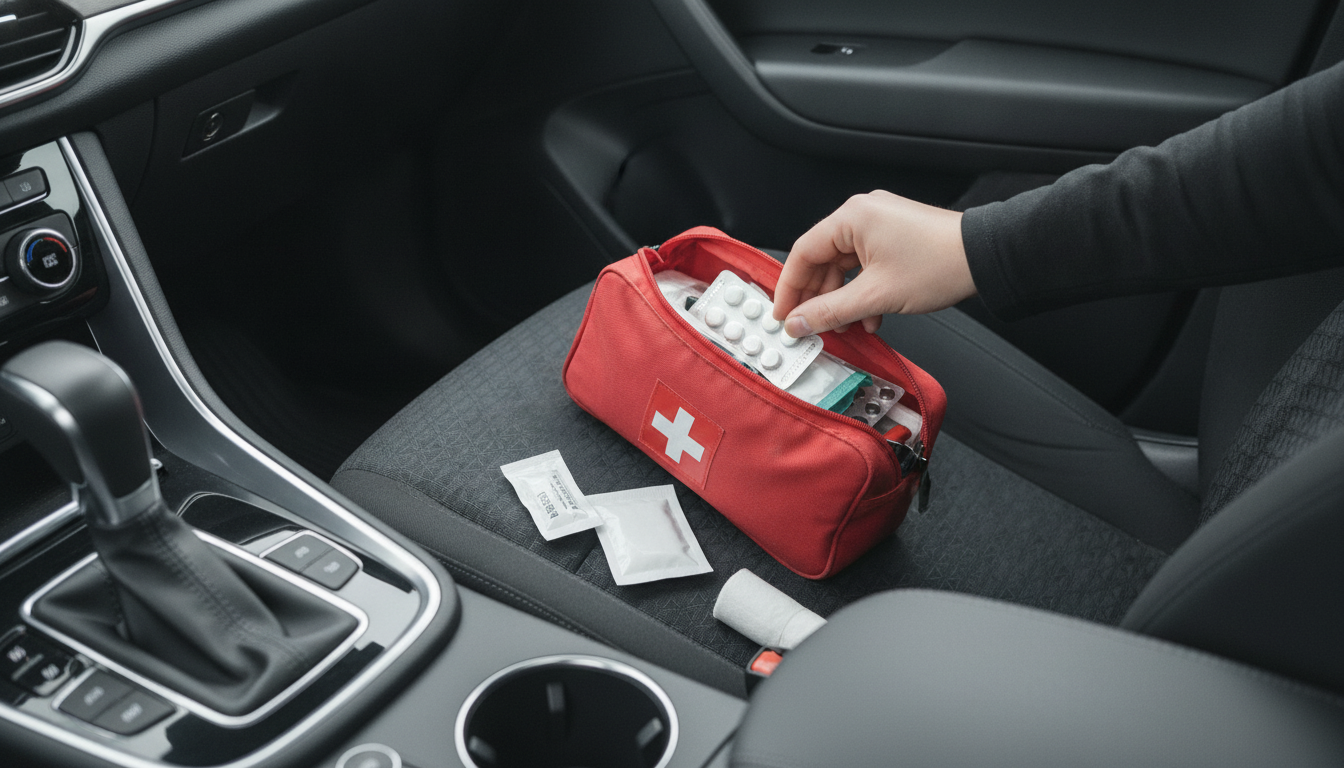
Do first aid kits have antihistamines?
Sometimes, but not always. Many pre-packed first aid kits include an over-the-counter antihistamine (often diphenhydramine/Benadryl) because it’s useful for mild allergic reactions, itching from insect bites, or hives. However, a lot of basic kits focus on wound care only—bandages, antiseptic wipes, gauze, and tape—and may skip medications entirely to simplify shipping, avoid expiration issues, or meet different retail regulations.
The quickest way to know is to check the kit’s contents list on the package or product page. Look specifically for “antihistamine,” “diphenhydramine,” “loratadine,” or “cetirizine,” and confirm the strength and quantity. If the kit is labeled “medication-free,” it won’t include any pills or topical drug products.
What antihistamines are most commonly included?
When a kit does include an antihistamine, it’s usually diphenhydramine tablets or capsules due to its broad availability and effectiveness for itching and hives. Some travel or family kits may include a non-drowsy option like loratadine or cetirizine, but that’s less common. A few kits also include topical anti-itch products (like hydrocortisone) which help with irritation but are not antihistamines.
When is an antihistamine actually helpful in a first aid kit?
An antihistamine can be useful for mild allergic symptoms such as sneezing, runny nose, itchy eyes, mild hives, or localized reactions to bug bites. It’s not a substitute for emergency treatment of anaphylaxis. If someone has trouble breathing, swelling of the lips or throat, widespread hives, vomiting, or dizziness after an exposure, seek emergency care right away and use an epinephrine auto-injector if prescribed.
Should you add your own antihistamine?
If your kit doesn’t include one, adding a small, clearly labeled supply can be practical—especially for camping, travel, or homes with seasonal allergies. Choose a product your household tolerates well, store it in original packaging, and check expiration dates regularly. If the kit is for children, confirm age-appropriate dosing and avoid combining products that duplicate the same active ingredient.
Learn more
For a deeper breakdown of what to look for and how different kits vary, visit https://acebuysworld.shop/do-first-aid-kits-have-antihistamines/.
FAQ
What medicines should a first aid kit include for allergies?
Many people add an oral antihistamine for mild reactions and an anti-itch cream for localized irritation. Anyone with a known severe allergy should also keep prescribed epinephrine accessible and stored according to label directions.











Leave a comment