Build Your Child’s Confidence: 5 Practical Steps
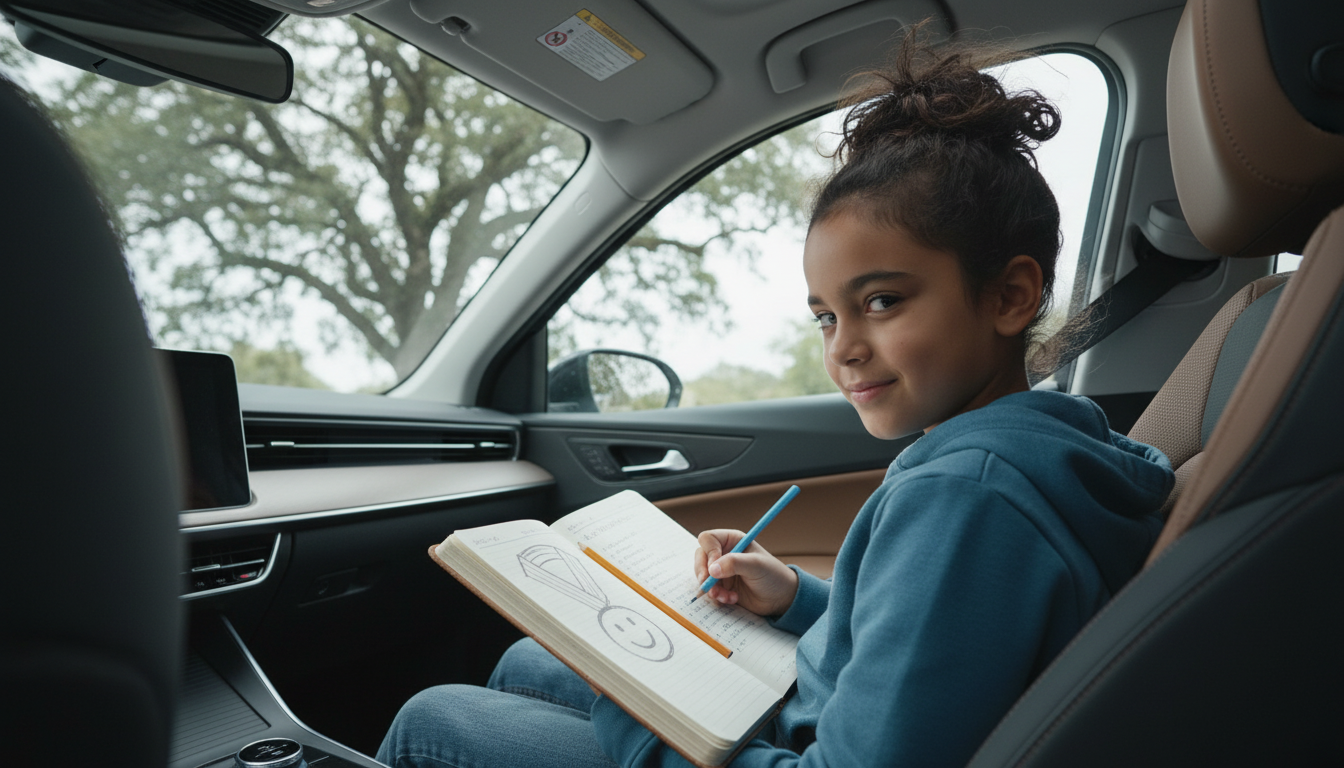
How to build confidence and self-esteem in a child?
Confidence grows when kids feel safe, capable, and genuinely seen. The most effective approach is a steady mix of connection, realistic challenges, and consistent encouragement that focuses on effort and choices—not labels. Start by noticing what your child is already doing well, then help them stretch just a little beyond their comfort zone with support close by.
1) Praise the process, not the personality
Swap “You’re so smart” for “You kept trying even when it was hard.” Process praise teaches kids that ability can grow with practice, making setbacks feel temporary instead of defining. Be specific: name the strategy they used, the patience they showed, or how they asked for help.
2) Give meaningful responsibilities
Self-esteem strengthens when children contribute. Offer age-appropriate jobs that truly matter: feeding a pet, setting the table, packing their backpack, or watering plants. Follow up with a simple acknowledgment like, “Thanks—your help made the morning smoother,” so they connect effort with impact.
3) Let them struggle a little (with a safety net)
Resist solving every problem. When a child hits a snag, ask guiding questions: “What have you tried?” “What’s one small next step?” Staying calm while they work through frustration builds resilience—and resilience is a cornerstone of confidence.
4) Teach self-talk and emotional skills
Kids often borrow their inner voice from the adults around them. Model gentle self-talk out loud (“That didn’t work yet—let me try again”). Help them name feelings and calm their body with simple tools like belly breathing, a short walk, or a quiet corner.
5) Create chances to shine
Offer options to explore interests—sports, art, music, building, cooking, or clubs—without pressure to be the best. Mastery comes from repetition, and mastery fuels self-belief.
For more practical, step-by-step ideas, visit the full guide: How to Build Confidence and Self-Esteem in a Child.
FAQ
How do you help a child who is afraid of making mistakes?
Normalize mistakes by sharing your own small slip-ups and what you learned from them. Offer low-stakes practice, and praise trying, adjusting, and finishing rather than getting a perfect result.











Leave a comment